
5 Key Components of Lightning Protection Systems
Lightning is one of nature’s most powerful forces, capable of causing massive damage to buildings, electrical systems, and even human life. To minimize the risk, engineers have developed lightning protection systems designed to safely direct the electrical 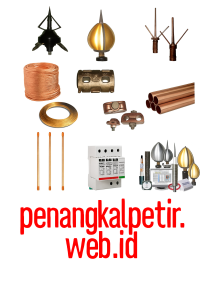 energy from lightning strikes into the ground. Understanding the 5 key components of lightning protection systems is essential for ensuring complete protection. In this article, we’ll explore how each component functions, how they work together, and why proper installation by experts like PT. MEGAH ALAM SEMESTA is crucial for safety and reliability
What Are Lightning Protection Systems?
Before diving into the 5 key components of lightning protection systems, it’s important to understand what these systems do. A lightning protection system (LPS) provides a controlled path for lightning energy to travel from the point of strike to the ground, reducing the potential for fire, equipment damage, or injury. Essentially, an LPS acts as a shield—capturing lightning safely and dispersing it harmlessly.
These systems are widely used in high-rise buildings, industrial facilities, telecommunication towers, and even residential homes. The main goal is to prevent uncontrolled electrical discharge that could cause catastrophic consequences.
The Importance of a Properly Lightning Protection Systems?
A lightning protection system is only as strong as its weakest link. If any one of the 5 key components of lightning protection systems fails, the entire structure’s safety could be compromised. Each component must be properly selected, installed, and maintained. That’s why professional companies like PT. MEGAH ALAM SEMESTA emphasize system integrity and compliance with international standards such as IEC 62305 or NFPA 780.
1. Air Terminals (Lightning Rods)
The first and most visible part of the 5 key components of lightning protection systems is the air terminal, often called a lightning rod. These rods are strategically placed at the highest points of a building, such as rooftops, antennas, or towers. Their purpose is to intercept lightning strikes before they hit any other part of the structure.
Modern lightning rods can be conventional (Franklin type) or advanced (ESE—Early Streamer Emission). The ESE type, for instance, can provide earlier discharge initiation, increasing the protection radius. Regardless of the type, placement is key—rods must cover all vulnerable areas to create an effective “protective cone” over the building.
PT. MEGAH ALAM SEMESTA offers professional installation of both traditional and ESE air terminals, ensuring that the coverage meets the required protection levels.
2. Down Conductors
Once lightning is captured, the next challenge is directing the massive electrical current safely to the ground. This is where the second element of the 5 key components of lightning protection systems comes in: the down conductor.
Down conductors are thick copper or aluminum cables that connect the air terminals to the grounding system. They must be routed along the most direct and shortest path possible, minimizing sharp bends to reduce impedance. Typically, multiple down conductors are installed around a building to evenly distribute the current and prevent flashover or side flashing.
PT. MEGAH ALAM SEMESTA uses high-quality materials that comply with IEC standards to ensure excellent conductivity and corrosion resistance, extending the system’s lifespan and reliability.
3. Grounding System (Earth Termination)
The grounding system, or earth termination system, is the heart of all 5 key components of lightning protection systems. Its purpose is to safely disperse the electrical charge from the lightning strike into the earth. This component ensures that the voltage potential between the structure and the ground remains low, preventing dangerous surges or damage to electrical networks.
There are several types of grounding systems—rod, plate, and grid types. The choice depends on soil resistivity, moisture levels, and installation conditions. For optimal results, the grounding resistance should be less than 10 ohms.
With years of experience, PT. MEGAH ALAM SEMESTA specializes in designing and installing effective grounding systems for various industries, ensuring both safety and compliance with electrical standards.
4. Bonding and Interconnection
The fourth element of the 5 key components of lightning protection systems is bonding and interconnection. This step ensures that all metallic parts of a structure—such as pipes, HVAC systems, and reinforcement bars—are electrically connected to the lightning protection system.
Without bonding, dangerous voltage differences can occur between metal components during a lightning event, leading to side flashes or equipment damage. Proper bonding equalizes potential, creating a uniform conductive path that minimizes risk.
Professionals at PT. MEGAH ALAM SEMESTA meticulously perform bonding installations using durable connectors and clamps designed for long-term performance, even in harsh environmental conditions.
5. Surge Protection Devices (SPDs)
The final part of the 5 key components of lightning protection systems is surge protection. Even if lightning doesn’t directly strike a structure, nearby strikes can induce dangerous voltage surges through power or communication lines. Surge Protection Devices (SPDs) are installed to protect sensitive electrical and electronic equipment from these transient overvoltages.
SPDs work by diverting excessive current away from the protected circuit and safely grounding it. They are typically installed at main power panels, communication interfaces, and key control points. This protection is critical for facilities housing expensive electronics, data centers, or automated systems.
PT. MEGAH ALAM SEMESTA integrates high-performance SPDs in every lightning protection design to ensure complete system defense.
Integration: How the 5 Key Components Work Together
While each component has a specific function, the 5 key components of lightning protection systems must operate as one unified network. Air terminals capture the lightning, down conductors carry the current downward, grounding systems dissipate the energy, bonding prevents internal flashovers, and SPDs shield electronic devices.
When integrated correctly, these five elements form a continuous, low-impedance path that directs lightning energy safely to the earth, protecting both people and property.
Common Mistakes in Lightning Protection Design
Even with the best materials, lightning protection can fail due to poor design or installation. Common errors include:
- Improper placement of air terminals, leaving unprotected zones
- Using insufficient or low-quality conductors
- Failing to perform regular grounding resistance testing
- Lack of bonding between metallic parts
- Ignoring surge protection on communication or data lines
Partnering with trusted experts like PT. MEGAH ALAM SEMESTA ensures these critical aspects are handled correctly, from site survey to final testing.
Maintenance and Testing
A lightning protection system isn’t a “set-and-forget” installation. Over time, environmental factors such as corrosion, soil erosion, or building modifications can affect performance. Regular inspections and maintenance are vital to confirm that all 5 key components of lightning protection systems remain functional.
Professional maintenance includes:
- Ground resistance testing
- Visual inspection of conductors and connectors
- Verification of SPD functionality
- Checking for physical damage or corrosion
By performing routine maintenance, property owners can ensure consistent protection throughout the system’s lifespan.
Understanding the 5 key components of lightning protection systems is fundamental to building safety. Each component—air terminals, down conductors, grounding systems, bonding, and surge protection—plays a crucial role in diverting and neutralizing lightning energy.
A reliable lightning protection system must be carefully designed, properly installed, and regularly maintained by experienced professionals. PT. MEGAH ALAM SEMESTA provides comprehensive lightning protection solutions, from design and installation to maintenance, ensuring that your building remains secure from the destructive forces of nature.
If you’re planning to install or upgrade your lightning protection system, trust the expertise and commitment of PT. MEGAH ALAM SEMESTA to deliver safety you can count on.