
Resistance Protection for Grounding: The Key to a Safe Lightning Protection System
Grounding is one of the most critical elements in electrical and lightning protection systems. Without a reliable grounding system, electrical surges or lightning strikes can cause severe damage to property and endanger human life. That’s why the concept of resistance protection for grounding plays a vital role in maintaining system stability and safety.
In this article, PT. Megah Alam Semesta will explain how resistance protection for grounding works, its importance, the ideal resistance value, and practical ways to ensure your grounding system meets international standards.
Understanding Resistance Protection for Grounding
Resistance protection for grounding refers to the ability of the grounding system to dissipate electric current safely into the earth with minimal resistance. In simple terms, it ensures that any electrical surge or lightning discharge can be transferred to the ground without causing harm to electrical systems or people.
Grounding resistance is typically measured in ohms (Ω). The lower the resistance value, the better the system’s performance in discharging electric current. According to international standards such as IEEE and IEC, the recommended grounding resistance for most installations should be below 5 ohms to ensure optimal protection.
 Why Resistance Protection for Grounding Is So Important
A poor grounding system with high resistance can lead to severe consequences, including:
-
Equipment damage due to voltage surges or lightning strikes.
-
Fire hazards caused by electrical arcing.
-
System instability, especially in sensitive installations such as data centers or manufacturing plants.
-
Safety risks for humans working around electrical systems.
By ensuring proper resistance protection for grounding, these issues can be effectively minimized. PT. Megah Alam Semesta always emphasizes the importance of conducting periodic grounding inspections to maintain ideal resistance levels.
Ideal Resistance Levels for Different Applications
The acceptable resistance level for grounding varies depending on the type of installation:
| Application | Recommended Resistance |
|---|---|
| Residential Buildings | < 10 Ω |
| Commercial Buildings | < 5 Ω |
| Industrial Facilities | < 3 Ω |
| Power Stations / Data Centers | < 1 Ω |
These values show how critical it is to maintain resistance protection for grounding within standard limits to ensure both safety and operational continuity.
Factors Affecting Grounding Resistance
Several factors influence the effectiveness of resistance protection for grounding:
-
Soil Type and Moisture – Wet or clay soil has better conductivity compared to dry or sandy soil.
-
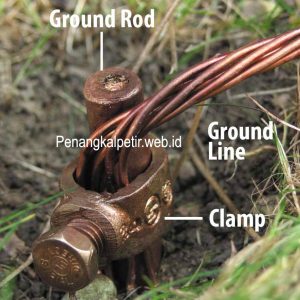
Grounding Material – The use of copper or galvanized steel rods significantly affects resistance levels.
-
Rod Depth and Configuration – Deeper rods or multiple grounding rods connected in parallel can lower resistance.
-
Environmental Conditions – Seasonal changes and soil drying can increase resistance if not properly maintained.
PT. Megah Alam Semesta offers professional grounding system design and testing services to help ensure these factors are optimized for maximum safety.
How to Reduce Grounding Resistance
To achieve effective resistance protection for grounding, several methods can be implemented:
-
Chemical Ground Enhancement: Using materials such as bentonite or conductive cement to improve soil conductivity.
-
Increasing the Number of Ground Rods: Parallel installations help distribute electrical current more efficiently.
-
Regular Maintenance: Checking connections, corrosion levels, and soil condition ensures long-term reliability.
-
Professional Testing: Conducting resistance tests using Earth Ground Testers to verify compliance with safety standards.
By applying these methods, the grounding system can consistently maintain low resistance values, ensuring better lightning and surge protection.
The Role of PT. Megah Alam Semesta in Grounding System Solutions
As a trusted provider of lightning protection systems, PT. Megah Alam Semesta has extensive experience in installing and maintaining high-quality grounding systems. The company uses advanced testing tools and high-grade materials to ensure that every project meets international standards.
PT. Megah Alam Semesta also offers consultation, installation, and maintenance services for various sectors — from residential to industrial facilities — ensuring that your resistance protection for grounding remains effective for years.
Their expert team follows a detailed process:
-
Site Survey – Evaluating soil type and potential grounding locations.
-
Design Engineering – Determining the most efficient grounding layout.
-
Installation – Using certified materials and safe construction methods.
-
Testing and Commissioning – Measuring resistance values and ensuring compliance with global standards.
Common Mistakes in Grounding Systems
Even with the best materials, grounding systems can fail due to improper design or lack of maintenance. Some common errors include:
-
Using undersized grounding conductors.
-
Neglecting corrosion protection.
-
Improper joint connections.
-
Ignoring regular resistance testing.
These mistakes can lead to an ineffective resistance protection for grounding, resulting in system failures during lightning storms or electrical surges. Regular inspections and maintenance are essential to avoid such risks.
Effective resistance protection for grounding is the foundation of every safe and reliable electrical or lightning protection system. Maintaining a low resistance value not only safeguards electrical equipment but also ensures human safety and operational stability.
PT. Megah Alam Semesta continues to provide high-quality grounding solutions tailored to your project’s specific needs. By choosing professional installation and regular maintenance, you can achieve optimal performance and long-term protection from lightning and electrical hazards.
Investing in a proper resistance protection for grounding system is not just a technical necessity — it’s a smart decision for safety, reliability, and peace of mind.